

Pool equipment problems rarely appear suddenly. Most issues begin with small symptoms that affect circulation, heating, or overall water quality. Arizona pools are more vulnerable because heat, dust, and hard water minerals place extra stress on pumps, filters, heaters, and automation components. Recognizing these early signs helps prevent major breakdowns and keeps your pool functioning consistently.
How Your Pool Equipment Works as One System
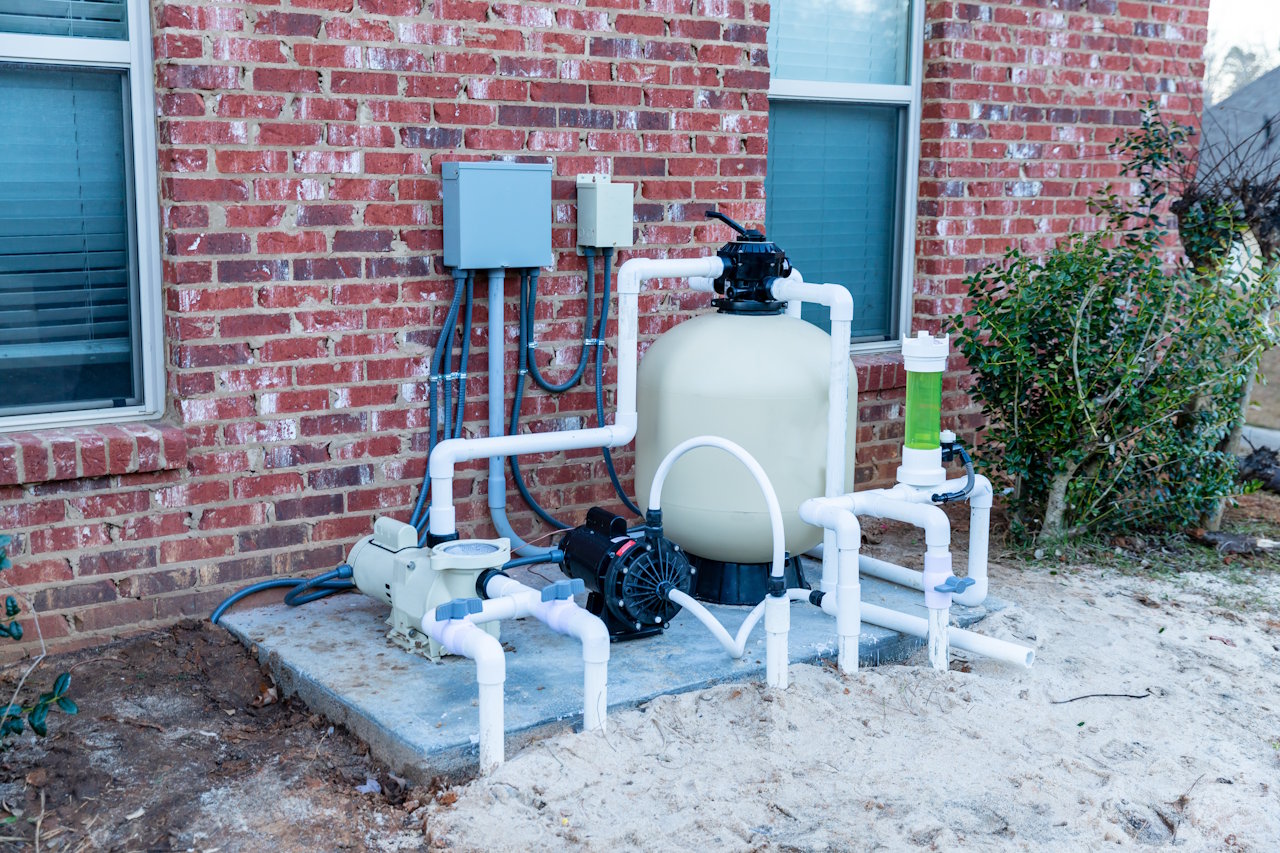
A pool’s equipment pad functions as a connected circulation system. The pump draws water from the pool, moves it through the filter, and returns it through the jets. The heater warms the water only when flow is stable, and the automation system sets speeds, temperatures, and schedules.
When one part weakens, the entire system feels the impact. Reduced flow affects filtration, cloudy water makes balancing chemistry harder, and small air leaks force the pump to work longer than it should. For a deeper pool troubleshooting or mechanical inspection, homeowners can explore Aqua Squad’s pool equipment repair & installation page for guidance on repair options.
Early Warning Signs That Equipment Is Starting to Fail
Most equipment problems begin with changes that homeowners can spot easily:
- weaker water flow at the return jets
- higher electric bills without changing your pump schedule
- unusual noises from the pump
- cloudy water even after chemical adjustments
- heater cycling on and off
- automation buttons that stop responding
These issues usually indicate that a specific component needs attention.
Pool Pump Problems and What They Mean
Pump Is Loud, Buzzing, or Grinding
The pump contains the impeller, motor bearings, and a sealed housing. When these parts begin to wear, the pump becomes noisy. Grinding often indicates debris lodged in the impeller. A persistent hum usually points to a weakening motor. Arizona sand and fine dust can enter the pump basket over time and contribute to these issues.
If noise continues after basic checks, the pump may need a closer inspection.
Pump Will Not Prime or Frequently Loses Prime
A pump must be full of water before it can begin circulating properly. When it cannot maintain prime, air is usually entering the system. Possible causes include:
- low pool water level
- cracked pump lid
- worn O-ring
- suction-side leaks
- debris blocking the skimmer line after storms
Clearing baskets and checking for visible air leaks are good first steps. Continued priming problems often indicate an issue that requires professional diagnostics.
Pump Runs But Produces Weak Flow
Weak flow can result from a partially clogged impeller, a weakening motor, or too much resistance at the filter. Reduced flow affects clarity and prevents the heater from performing correctly.
If flow does not improve after cleaning filters and baskets, the system should be evaluated.
Filter Problems That Cause Water Clarity Issues
Filter Pressure Is Too High
A pressure gauge tells you how difficult it is for water to move through the filter. When pressure rises, resistance is increasing. Cartridge filters may be full of debris, sand filters may have compacted media, or the filter may be coated in calcium scale from Arizona hard water. If pressure keeps rising even after cleaning, the internal components may be damaged.
Filter Pressure Is Too Low
Low pressure usually means water cannot reach the filter correctly. This can be caused by suction leaks, broken manifolds, worn O-rings, or issues in the pump. Low pressure prevents the system from filtering properly and eventually leads to cloudy water.
Pool Water Stays Cloudy Even After Shocking
Cloudy water is often an equipment problem rather than a chemical issue. If the filter media is worn out, or if the system is not pushing enough water through the filter, the pool may stay cloudy even after adding chlorine. Fluctuating flow from the pump can also keep the filter from clearing the water.
Routine Pool Cleaning helps prevent this issue, but persistent cloudy water usually means equipment needs attention.
Pool Heater Problems and How to Diagnose Them
Heater Will Not Ignite
Pool heaters rely on a clean ignition source, working sensors, proper gas supply, and stable airflow. If the heater refuses to ignite, it may be due to corroded components, clogged burners, damaged wiring, or safety sensors shutting the system down. Wind, dust, and cold temperatures can also affect ignition in Arizona.
Heater Runs But Never Reaches the Set Temperature
If your heater starts but cannot warm the water fully, the heat exchanger may be clogged, the sensors may be failing, or the heater may be undersized for the pool. Poor water flow also forces the heater to run longer without producing the correct temperature.
Heater Turns On Then Shuts Off Quickly
This usually means the heater is not receiving steady water flow. A clogged filter, weak pump, or bad pressure switch will force the heater to shut itself down. The heater protects itself by turning off anytime flow drops below a safe level.
Automation and Electrical Failures
Automation Panel Does Not Respond
The automation panel controls pump settings, heater temperatures, lights, and schedules. When the buttons stop responding, it may be due to circuit board failure, outdated software, loose wiring, or water intrusion inside the panel. Arizona heat also wears out electronic components faster than average.
Pool Lights Flicker or Shut Off
Pool lighting depends on a working transformer, sealed conduit, and safe wiring. Flickering or loss of power may be caused by a failing transformer, moisture inside the light, or corrosion on underground connections.
Equipment Pad Leaks and Plumbing Problems
Water Leaking Around Pump, Filter, or Heater
Leaks occur when seals crack, housings split, or unions become loose. Water around the equipment pad increases energy use, damages the motor, and can eventually flood electrical components.
Air Bubbles in the Pool Returns
Air entering the system usually means the pump is pulling air instead of water. This happens when the pump lid is cracked, the O-ring is failing, plumbing lines have small cracks, or the pool water level is too low. Air in the system reduces flow and can eventually damage the pump.
When Equipment Repair Is Not Enough
Even well-maintained equipment eventually reaches the end of its lifespan. Pumps, filters, and heaters that are over ten years old often become less efficient, use more electricity, and break down more frequently. At this stage, upgrading can reduce long-term operating costs and improve performance.
Aqua Squad provides:
- variable speed pump installations
- high-efficiency heater replacements
- modern automation upgrades
- complete equipment pad rebuilds
If cost is a concern, Aqua Squad also offers Financing for large equipment upgrades or replacements.
Preventing Future Equipment Problems
Arizona pools need more frequent attention because of heat, dust, and mineral-heavy water. Homeowners can reduce equipment failures by:
- managing calcium hardness
- cleaning filters more often during monsoon season
- running pumps at longer intervals during peak heat
- scheduling regular professional inspections
- using weekly Pool Cleaning to maintain proper flow and clarity
These steps help prevent unexpected breakdowns and keep equipment running at peak performance.
Schedule a Professional Equipment Diagnostic
Equipment problems become more expensive the longer they go unchecked. If your pump is loud, your heater is inconsistent, or your filter will not hold pressure, Aqua Squad can complete a full diagnostic and recommend the most cost-effective repair option. For fast and reliable service, visit our Pool Equipment Repair & Installation page or contact Aqua Squad to schedule your pool inspection.

